
Keeping Your Mind Sharp is something we all want as we get older, and it’s totally normal for our brains to change with age. Some of it is down to our genes, some to how we live, and some to how healthy we are. But here’s the good news: there are simple things we can do to keep our brains in tip-top shape. We can eat right, keep learning, and make sure we’re getting the support we need. This way, we can cut down on the chances of our minds slowing down and enjoy life more as we age.
Dealing with Mental Slips – Keeping Your Mind Sharp
Beyond Forgetfulness
Let’s talk about something important that many of us face as we get older – our brains not working quite as well as they used to. It’s natural to notice some changes in our thinking skills as we age, but sometimes, it can be more than just a little bit of forgetfulness here and there. This is what we’re referring to when we say “mental decline.” It’s like when you’re trying to find your keys, and you swear you just had them, but they’ve vanished into thin air. Or when you walk into a room and can’t remember why you went in there. We all have those moments, right?

But sometimes, these moments can turn into something a little more serious, affecting how we live our day-to-day lives. This is when we might start to worry about things like dementia or Alzheimer’s disease. It’s like our brain’s version of slowing down, except we can’t just go for a jog to speed it back up.
Now, I’m not trying to scare you or anything. It’s just that as we get on in years, it’s essential to pay attention to these changes and understand what’s normal and what might be a sign that we need to see a doctor. Because let’s face it, nobody wants to be in a situation where they’re not on top of their game, especially when it comes to remembering your favorite grandkid’s name or where you parked your car at the mall.
So, let’s get real about mental decline. It’s something we should all educate ourselves about, not just for ourselves but for our loved ones too. After all, knowledge is power, and knowing what’s happening in our own heads can help us keep our wits about us for as long as possible. And who doesn’t want that?
Mental decline is a phrase that covers a wide range of situations where people’s thinking skills start to drop off. This can show up in different ways, such as:
- Memory loss: Sometimes it’s tough to recall what happened just recently, or maybe you’re having a bit of trouble with remembering people’s names or places you know well.
- Difficulty with language: Struggling to come up with the right words or grasp what someone’s saying
- Personality changes: Feeling more closed off, getting easily upset, or acting in ways that seem out of the ordinary.
- Problems with reasoning and judgment: Having a tough time making choices or figuring things out.
- Visual-spatial challenges: Struggling to find your way around places you know well or having a hard time identifying things.
Looking into the Reasons Behind It
Mental decline can stem from a bunch of different things, such as:

- Normal Aging: As we get older, it’s normal for our brains to slow down a bit, but if it’s happening a lot or really fast, it could be a sign of something more serious going on.
- Neurodegenerative Diseases: Illnesses like Alzheimer’s, dementia, and Parkinson’s can really mess with a person’s thinking skills over time. They’re tough diseases that can cause a big drop in how sharp someone’s mind is.
- Vascular Disorders: Strokes and similar blood vessel issues can mess up the brain’s tissue, which often results in memory and thinking problems.
- Medications: Some medicines can actually mess with your brain a bit, causing side effects that impact how well your brain works. We do have products from Velovita and Jeunesse that help with mental well-being.
- Underlying Medical Conditions: Things like having a thyroid that’s not working right, not getting enough vitamins, and getting infections can mess with your brain over time.
Why Spotting Signs Sooner is So Crucial
You know, when we catch things early on, it’s like we’ve got this knack for handling stuff in a way that’s just easier and better, right? It’s kinda the same deal with our health or any troubles that come up in life. If we can spot those little issues before they balloon into big ones, we’re way ahead of the game. So, keeping our eyes peeled and making sure to get those regular check-ups? It’s a total lifesaver.
Life is all about staying one step ahead, isn’t it? It’s like juggling a bunch of balls and making sure you don’t drop any. It’s so much better to tackle stuff before it gets crazy, it saves you from a ton of stress and hassles down the road. And let’s face it, nobody wants a big headache if they can help it, right? That’s why it’s super important to tune into those little warning signals, especially when it comes to your health or your relationships. It’s like having a secret superhero sense to keep everything ticking over nicely. So, keep those eyes sharp and those ears to the ground, because catching things early can change the game.
Recognizing the first signs of mental decline is really crucial, and let me tell you why:
- Improved Quality of Life: Getting a head start with support can make those brain-related hurdles less daunting and generally improve the quality of life for people dealing with such challenges.
- Slower Progression: Understanding the root cause of the issue and applying the appropriate treatments can potentially slow the brain’s decline.
- Care Planning: Catching something early on makes it easier to get ready for any care you might need down the road. It lets you plan for what could be coming up.
Seeking Help – Keeping Your Mind Sharp
If you’re noticing changes in the way you think or remember things, or if someone you care about is, it’s crucial to talk to a doctor or someone in healthcare. They can check you out properly and figure out what might be going on. Then, they can suggest the best ways to tackle the problem.
Remember: Facing issues with our mental sharpness can be tough, but catching it early on can help. If we know the warning signs and aren’t shy about asking for support, we can do a lot to safeguard our thinking skills. So, let’s stay alert and take action when we need to. It’s all about being ahead of the game for our brain’s sake!
Keeping Your Mind Sharp: The Awesomeness of Preventing Brain Decline!
While we can’t completely stop our brains from changing as we age, studies have shown that taking action can help keep them sharp. So, here are some important things you might want to consider trying:

- Physical Exercise: Getting regular exercise isn’t just good for keeping your body fit, it’s also amazing for keeping your brain sharp. When you get your blood pumping, it helps your brain by bringing in more oxygen and nutrients, which can actually help grow new brain cells.
- Mental Stimulation: Doing things that really make your brain work hard, like solving puzzles, doing crosswords, picking up a new language, learning to play a musical instrument, or diving into deep, complicated books, is a fantastic way to boost what scientists call your cognitive reserve.
- Social Interaction: People are naturally social beings, and having good relationships with others is important for feeling mentally healthy. Doing things with friends, helping out in the community, or becoming part of groups can keep loneliness away and keep our brains active and sharp.
- Healthy Diet: Eating a variety of foods that include plenty of fruits, veggies, whole grains, and lean protein is super important for keeping your body in tip-top shape. This kind of balanced diet gives you all the good stuff you need to stay healthy and full of energy.
- Sufficient Sleep: Getting enough sleep is super important for keeping our brains in tip-top shape. Try to get 7 to 9 hours of good-quality sleep every night so your brain can calm down and repair itself properly.
- Stress Management: Chronic stress can mess with your ability to think and remember stuff well. To keep your brain in tip-top shape, try adding some activities to your daily routine, like meditating, taking deep breaths, or doing some yoga. These can help keep your stress levels in check!
- Regular Check-ups: It’s really important to have regular doctor visits to keep an eye on how our bodies are doing, especially when it comes to brain health. Catching any potential health issues early on can make a huge difference in keeping our brains sharp and avoiding any mental slowdowns.
Keeping Your Mind Sharp: Making it a Lifestyle
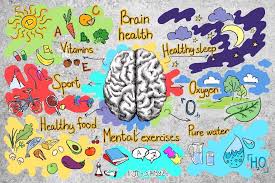
The secret to keeping your mind sharp and avoiding cognitive decline is to weave certain activities into your daily life. Start with small steps that you can stick with over time, as they can add up to big results. It’s crucial to pick things that you actually like doing because when you enjoy something, you’re more likely to keep at it. Don’t forget to throw in some probiotic supplements, too. They’re like little helpers, or “Snaps,” that you can easily fit into your routine every single day. Go Here to learn more.
Don’t forget, it’s always a better idea to stop mental decline before it starts, rather than trying to fix it later on. Taking good care of your brain now can help keep your thinking skills strong and improve how you live as you get older. Even little things you do regularly can make a big difference in keeping your mind sharp and letting you stay self-reliant for a long time.
Hello and Welcome! You’re now part of our Online Community. Contact us for more details and to get started.
Updated February 27, 2025